Normal Conflict VS Emotional Abuse

Understanding Normal Conflict
Normal conflict in relationships is a natural and healthy part of interpersonal dynamics. It typically arises when two individuals have differing opinions, needs, or desires. Healthy conflict is characterized by:
- Open Communication: Both parties express their thoughts and feelings honestly without fear of retribution.
- Mutual Respect: Each person values the other’s perspective, even if they disagree.
- Constructive Resolution: The goal is to reach a compromise or understanding that respects both individuals’ viewpoints.
- Emotional Safety: Partners feel safe to express themselves without the threat of humiliation or degradation.
For example, a couple might argue about financial priorities—one partner wants to save for a vacation while the other prefers home improvements. They discuss their views openly, listen to each other, and work towards a solution that satisfies both.
Understanding Emotional Abuse
In contrast, emotional abuse involves patterns of behavior aimed at exerting control, manipulation, or harm over another individual. Key characteristics include:
- Manipulation and Control: One partner seeks to dominate the relationship through intimidation or coercion.
- Verbal Attacks: This can include belittling comments, insults, or threats that undermine the victim’s self-esteem.
- Isolation: The abuser may attempt to isolate their partner from friends and family to increase dependency.
- Gaslighting: This psychological tactic makes the victim question their reality or perceptions, leading to confusion and self-doubt.
For instance, if one partner consistently mocks the other’s opinions during disagreements or threatens them with emotional withdrawal unless they comply with demands, this constitutes emotional abuse rather than normal conflict.
Key Differences Between Normal Conflict and Emotional Abuse
- Intentions and Outcomes: Normal conflict aims for resolution and mutual understanding; emotional abuse seeks power and control over the other person.
- Communication Style: Healthy conflict involves respectful dialogue; emotional abuse includes derogatory language and manipulation tactics.
- Impact on Self-Esteem: Normal conflict can strengthen relationships through growth; emotional abuse erodes self-worth and creates fear.
- Resolution Process: In healthy conflicts, both partners work together towards solutions; in emotional abuse situations, one partner often feels powerless to effect change.
Recognizing these distinctions is crucial for fostering healthy relationships and addressing harmful dynamics effectively.
Top 3 Authoritative Sources Used in Answering this Question:
American Psychological Association (APA)
The APA provides comprehensive definitions and guidelines regarding psychological concepts including emotional abuse, helping individuals understand its impact on mental health.
Psych Central
Psych Central offers resources on mental health topics including relationship dynamics, providing insights into verbal abuse patterns and their effects on individuals.
Dr. Timothy Yen’s Insights on Emotional Abuse
Dr. Yen is a psychologist who specializes in relationship issues; his expertise sheds light on how denial and blame function within emotionally abusive contexts.
Community Bonding
The Importance of Community Bonding
Community bonds are essential for a variety of reasons, contributing to both individual well-being and the overall health of society. Here are some key aspects of their importance:
Emotional Support and Well-being
- Sense of Belonging: Being part of a community provides a sense of belonging and identity. It helps individuals feel connected to something larger than themselves, which can be incredibly comforting and empowering.
- Emotional Support: Communities offer emotional support during times of need. Whether it’s through shared experiences, empathy, or simply being there to listen, the support from community members can significantly alleviate stress and anxiety.
- Mental Health: Strong community bonds can improve mental health by reducing feelings of isolation and loneliness. Engaging with others in meaningful ways can boost self-esteem and provide a sense of purpose.
Social and Economic Benefits
- Resource Sharing: Communities often share resources, whether it’s information, skills, or tangible goods. This sharing can lead to more efficient use of resources and help individuals who might be struggling.
- Networking Opportunities: Being part of a community can open up networking opportunities, which can be beneficial for personal and professional growth. Connections made within a community can lead to job opportunities, collaborations, and new friendships.
- Collective Action: Communities can mobilize for collective action, whether it’s advocating for social change, supporting local businesses, or organizing events. This collective power can lead to significant positive impacts on society.
Cultural and Educational Enrichment
- Cultural Preservation: Communities play a crucial role in preserving and passing down cultural traditions, languages, and values. This cultural continuity enriches the lives of community members and fosters a deeper understanding of their heritage.
- Educational Support: Communities often provide educational support through mentoring, tutoring, and sharing knowledge. This support can enhance learning opportunities and help individuals achieve their educational goals.
Safety and Security
- Safety Net: A strong community acts as a safety net for its members. In times of crisis, community members can rely on each other for help, whether it’s through providing shelter, food, or emotional support.
- Crime Reduction: Communities with strong bonds tend to have lower crime rates. When people know and look out for each other, it creates a safer environment for everyone.
Personal Growth and Fulfillment
- Personal Development: Being part of a community encourages personal growth by exposing individuals to diverse perspectives and experiences. This exposure can lead to greater empathy, understanding, and personal development.
- Fulfillment: Contributing to the well-being of a community can provide a deep sense of fulfillment and purpose. Knowing that one’s actions positively impact others can be incredibly rewarding.
In summary, community bonds are vital for fostering emotional support, social and economic benefits, cultural enrichment, safety, and personal growth. They create a network of support that enhances the quality of life for individuals and strengthens the fabric of society.
Purpose Driven Life
The purpose of life can be seen through many lenses, but living harmoniously with others is certainly a significant aspect. Beyond that, life can be about seeking personal growth, finding joy, contributing to the well-being of others, and leaving a positive impact on the world. It’s about discovering and nurturing our passions, building meaningful relationships, and striving for a balance between our own needs and the needs of those around us. Ultimately, the purpose of life is a deeply personal journey, and it can encompass a variety of goals and aspirations that bring fulfillment and a sense of meaning.
The concept of a purpose-driven life can be multifaceted and deeply personal. Here’s an expanded view:
Wealth and Contribution
- Pursuit of Wealth: For some, the drive to accumulate wealth is a primary motivator. This pursuit can be seen as a means to achieve security, freedom, and the ability to enjoy life’s luxuries. Wealth can also enable individuals to support their families, invest in their communities, and create opportunities for others. However, the pursuit of wealth alone can sometimes lead to a sense of emptiness if not balanced with other meaningful pursuits.
- Contribution to Well-being: Others find their purpose in contributing to the well-being of others. This can take many forms, such as volunteering, working in healthcare, education, or social services, or simply being a supportive friend or family member. The act of giving and helping others can provide a deep sense of fulfillment and connection, often described as a more profound and lasting source of happiness than material wealth.
A Purpose-Driven Life
A purpose-driven life is one where individuals align their actions and goals with their core values and passions. This alignment can manifest in various ways:
- Personal Growth: Continuously seeking to improve oneself, whether through education, self-reflection, or new experiences.
- Relationships: Building and nurturing meaningful connections with others, fostering love, support, and understanding.
- Impact: Making a positive difference in the world, whether on a small scale within one’s community or on a larger scale through broader initiatives.
- Balance: Striving for a balance between personal desires and the needs of others, ensuring that one’s actions contribute to a harmonious and fulfilling life.
Ultimately, a purpose-driven life is about finding what brings joy, meaning, and fulfillment, and pursuing it with intention and passion. Whether through the accumulation of wealth, the contribution to others’ well-being, or a combination of both, the key is to live in a way that resonates with one’s true self and values.
UnDoing


A Short Story of Healthy Love


A healthy relationship is built on several key elements that foster mutual respect, trust, and happiness. Here are some of the most important ones:
1. **Communication:** Open, honest, and respectful communication is the foundation of any healthy relationship. It allows partners to express their thoughts, feelings, and needs without fear of judgment or retaliation.
2. **Trust: ** Trust is essential for a strong relationship. It involves being reliable, keeping promises, and being honest with each other. Trust takes time to build but can be easily broken, so it’s important to nurture it consistently.
3. **Respect:** Respecting each other’s individuality, boundaries, and opinions is crucial. This means valuing each other’s feelings, thoughts, and experiences, even when they differ from your own.
4. **Support:** Being supportive of each other’s goals, dreams, and challenges helps strengthen the bond between partners. This includes offering emotional support, encouragement, and understanding during difficult times.
5. **Equality:** A healthy relationship is based on equality, where both partners have an equal say in decision-making and share responsibilities. This ensures that neither partner feels dominated or controlled by the other.
6. **Compromise:** Compromise is necessary for resolving conflicts and finding solutions that work for both partners. It involves being willing to give and take, and finding a middle ground that respects both parties’ needs and desires.
7. **Affection:** Physical and emotional affection helps maintain intimacy and connection in a relationship. This can include gestures like hugging, kissing, holding hands, and expressing love and appreciation through words and actions.
8. **Independence:** While it’s important to spend quality time together, maintaining a sense of independence and having personal interests and hobbies is also crucial. This allows both partners to grow individually and brings new experiences and perspectives into the relationship.
9. Healthy Boundaries:** Setting and respecting boundaries is essential for maintaining a healthy relationship. This means understanding and honoring each other’s limits and ensuring that both partners feel comfortable and safe.
10.Conflict Resolution:** Every relationship will face conflicts, but how they are handled makes a difference. Healthy relationships involve addressing issues calmly, listening to each other’s perspectives, and working together to find solutions.
These elements contribute to a strong, healthy, and fulfilling relationship.
Below is a Short Story of a Healthy Love.
Setting the Scene:
In a charming town cradled by rolling hills and verdant forests, there lived a man named David and a woman named Sarah. Their lives had been intertwined since childhood, much like the roots of the ancient oak tree that graced the town’s center. As the years passed, their friendship deepened, blossoming into a bond founded on mutual respect and understanding.
The Foundation of Their Relationship
David was an artist, often lost in his thoughts as he painted vibrant landscapes that reflected the beauty around him. Sarah was a teacher, passionate about nurturing young minds and instilling a love for learning in her students. They both shared a love for nature and often spent weekends hiking through the nearby woods or picnicking by the riverbank.
Their relationship was built on open communication. They would spend hours talking about their dreams, fears, and aspirations. One evening, as they sat on a blanket under the stars, David turned to Sarah and said, “I want to create art that inspires people. I want my work to evoke emotions.” Sarah smiled warmly and replied, “You have such talent, David. I believe you can do it. Just remember to stay true to yourself.”
Navigating Challenges Together
As time passed, life presented its challenges. David faced criticism from art critics who didn’t appreciate his unique style. He often felt discouraged but never hesitated to share his feelings with Sarah. Instead of dismissing his concerns or trying to fix them immediately, she listened intently.
“Tell me more about what they said,” she encouraged one evening as they sipped tea on their porch.
“It just feels like no one understands my vision,” David admitted.
Sarah nodded thoughtfully before responding. “It’s okay to feel that way. But remember why you started painting in the first place—because it brings you joy.”
Her words resonated with him deeply; they reminded him of his passion and purpose.
Celebrating Each Other’s Successes
On another occasion, when Sarah received recognition for her innovative teaching methods at school, she rushed home excitedly to share the news with David. “I won Teacher of the Year!” she exclaimed.
David beamed with pride and enveloped her in a warm embrace. “You deserve it! You’ve worked so hard,” he said genuinely.
They celebrated together that night with dinner at their favorite restaurant followed by a walk under the moonlight. Their ability to celebrate each other’s successes without jealousy or competition strengthened their bond even further.
Building a Future Together
As seasons changed and years passed, David proposed to Sarah during one of their cherished hikes atop a hill overlooking their town—a place where they had shared countless memories. With tears of joy streaming down her face, she accepted his proposal without hesitation.
Their wedding was simple yet beautiful—a reflection of their love story filled with laughter and heartfelt vows promising support through thick and thin.
Years later, as they sat together on their porch watching the sunset paint the sky in hues of orange and pink, David turned to Sarah and said softly, “Thank you for always believing in me.”
Sarah smiled back at him lovingly. “And thank you for being my rock.”
In that moment, surrounded by nature’s beauty and each other’s warmth, they knew that healthy love wasn’t just about grand gestures; it was about partnership—supporting each other’s dreams while navigating life’s challenges hand-in-hand.
To Care for Oneself
I began working at the young age of 12. Throughout those years, I diligently attended school while working on weekends and during the summer months. Despite my busy schedule, I made time to attend a week of camp, assist with vacation Bible school, and participate in various school trips. These experiences came at a cost, and knowing that my family couldn’t afford them, I used my earnings from the job to pay for them.
I grew-up with undiagnosed autoimmune illnesses. So, managing both work and school while feeling unwell was incredibly challenging. This experience taught me the value of hard work and dedication, but it also led me to push through pain and exhaustion without complaining. It’s important to recognize the strength and resilience I demonstrated, but also to acknowledge that it caused me to neglect listening to my body and taking care of my health.
This experience shaped my perspective only after I had fulfilled my obligations and raised my own family. From childhood through my career as a nurse and into motherhood, I couldn’t afford the luxury of self-care. As a mother, there were times when I was so depleted that I couldn’t get out of bed. My body was so run down that I was too exhausted to sleep.
It wasn’t until I could no longer maintain the perception of having the perfect life that I finally let go. I went through years of profound sorrow. I had teenagers who constantly acted out, a marriage that was literally crumbling, and a body filled with tumors. It was then that I prioritized my well-being. At that point, I felt like I was losing on every front. I realized that I needed to rebuild my life and step back to take care of myself.
I began to rebuild my life by expressing my pain. Throughout my life, I focused on goals and smiled through difficulties without verbalizing my struggles. Nowadays, I tend to overshare, not to narrate my life story, but to inspire and emphasize the importance of self-care and compassion towards others.
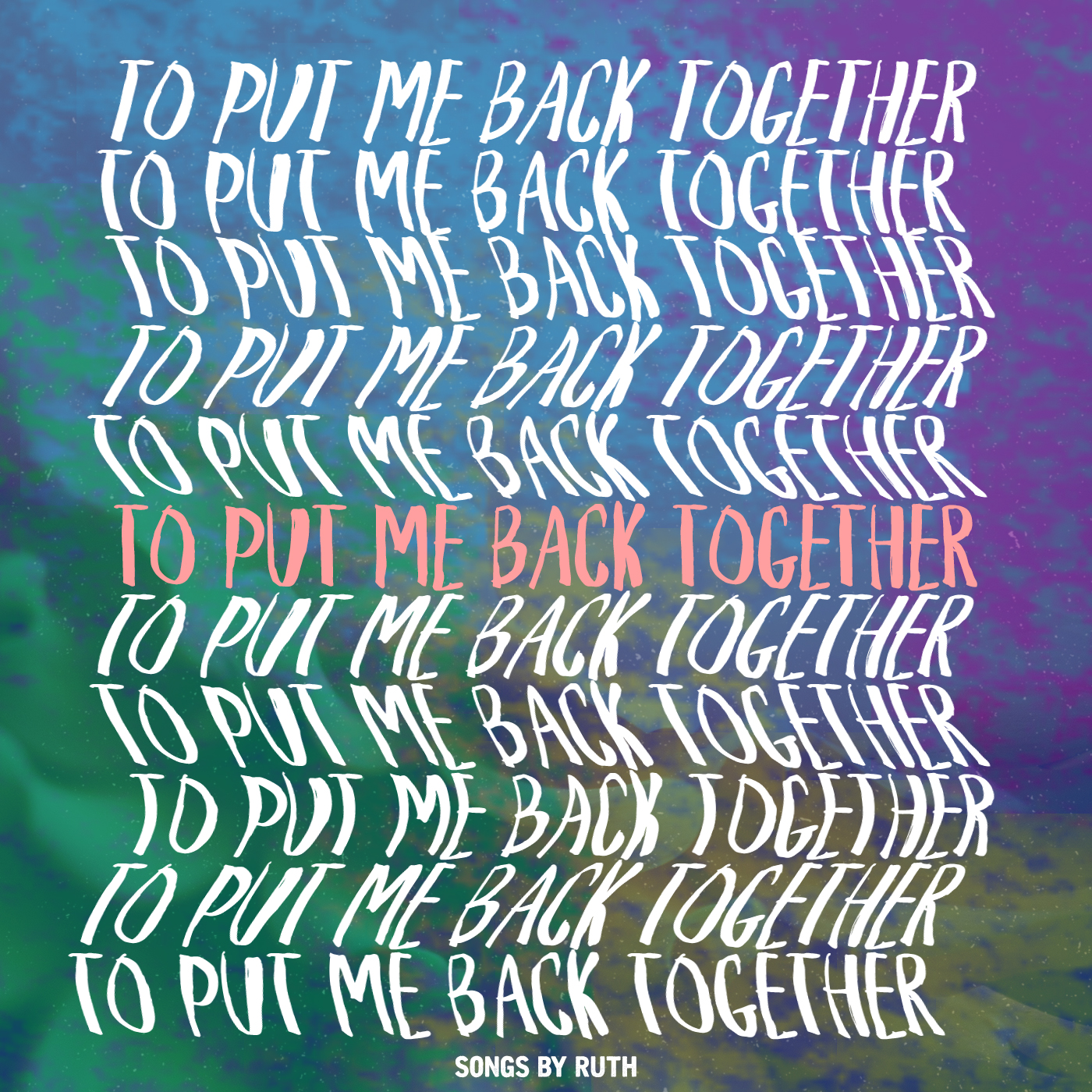 During my toughest days, I wrote songs like, “To Put Me Back Together,” because I recognized that I was completely broken.
To Love and Be Loved
Bob Marley wrote, “Could you be loved then be loved.”
“The Cry Of Our Children,” Ruth Garnes’ poetic anthology, contains questions that bear her deep thoughts on the subject of love. It becomes evident that Ruth sees love of self and love of others as intertwined, as if individuals who don’t have self-love have difficulty expressing love.
As a result, she encourages readers to have and show love and compassion to all.
Her hope is that her creative writings will raise awareness of the need to focus more on what is important and less on aesthetics.
Ruth says, “There’s a greater need in our world to hold each other up instead of tearing each other down.
“In order for there to be less mental health issues, we need to lessen indifference and blanket the world with love. However, we need a treatment plan that addresses trauma and abuse of yesteryear.
“Trauma and abuse affects families and not just the poor or certain races. Abuse is an illness of epic proportion that is not easily identifiable. It exists behind a smiling face and in the lives of immaculately dressed individuals.
“The first step to addressing trauma is to recognize how it affects us, and then we can use countermeasures to aid with healing. At times – perhaps creating safe spaces. Other times, it’s as simple as helping an individual develop healthy coping skills. Poetry writing, storytelling, and rap battles have historically been how African Americans cope with trauma and self-expression in the form of art, which continues to mend the broken. My creative work gave me a measure of peace, and I would like to see my creativity do the same for others.
“My Songs by Ruth, creative work focuses on empowering women without sexualizing them. Her goal is to encourage listeners who might have given up hope, and to also produce songs with positive messages.”
Ruth’s songs Powerful, Go Girl Go and The Brave, which says, “Be Strong, know the Brave takes a stand, just like Malala a woman from Pakistan” were all written to empower women.
Ruth Garnes is a former registered nurse whose creative writings focus on her personal experiences and in encouraging others in their own life journey.
Eyes On The future
I believe that we, as humans, are imbued with a spiritual essence and a distinct purpose on this Earth. Our paths may not always be clear, but our experiences often carve out and illuminate our destinies. Our society requires a diverse array of roles for efficient functioning; not everyone can be in the limelight as Actors, athletes and entertainers. The unsung heroes like farmers and laborers are the backbone of our survival, yet the current valuation of labor fails to reflect their indispensable contribution, diminishing their quality of life.
Each person is endowed with divine gifts and talents, but life’s adversities can prevent many from harnessing and nurturing these abilities. Women and children are often the casualties of hardships, and trauma that can immobilize them and impair the well-being of future generations. I have borne witness to this reality and channeled my own anguish into creative expressions—songs and poems that form the anthology “The Cry of Our Children.”
A reader once advised me to seek happiness and envision a future. In my ideal world, compassion would eclipse materialism, and human life would be treasured above all possessions. A world where equality in the eyes of God transcends skin color, wealth, and gender, recognizing our inherent worth as human beings. Our societal roles, while varied, should not lead to disparities.
Through my music and creative writing, I aspire to shift focus from the trivial to the meaningful, to uplift rather than tear down. Addressing the root causes of mental health issues, such as trauma and abuse, is crucial. They are not confined to the impoverished or specific ethnicities; they ripple through all strata of society. My vision for the future is to forge escape routes for those trapped in abusive situations. I believe safeguarding women by providing safe havens is the first step toward global healing. Even affluent women trapped in abusive marriages face barriers to freedom, suffering alongside their children.
While I have yet to fulfill my ultimate goal, I empower women through my music, celebrating their strength without objectification. Songs like “Powerful” and “The Brave” are anthems of encouragement, echoing the resilience of figures like Malala, the brave Pakistani woman who stood up for her beliefs. My life’s journey, marked by trials, has inspired these words. Fulfilling this mission is my life’s purpose.